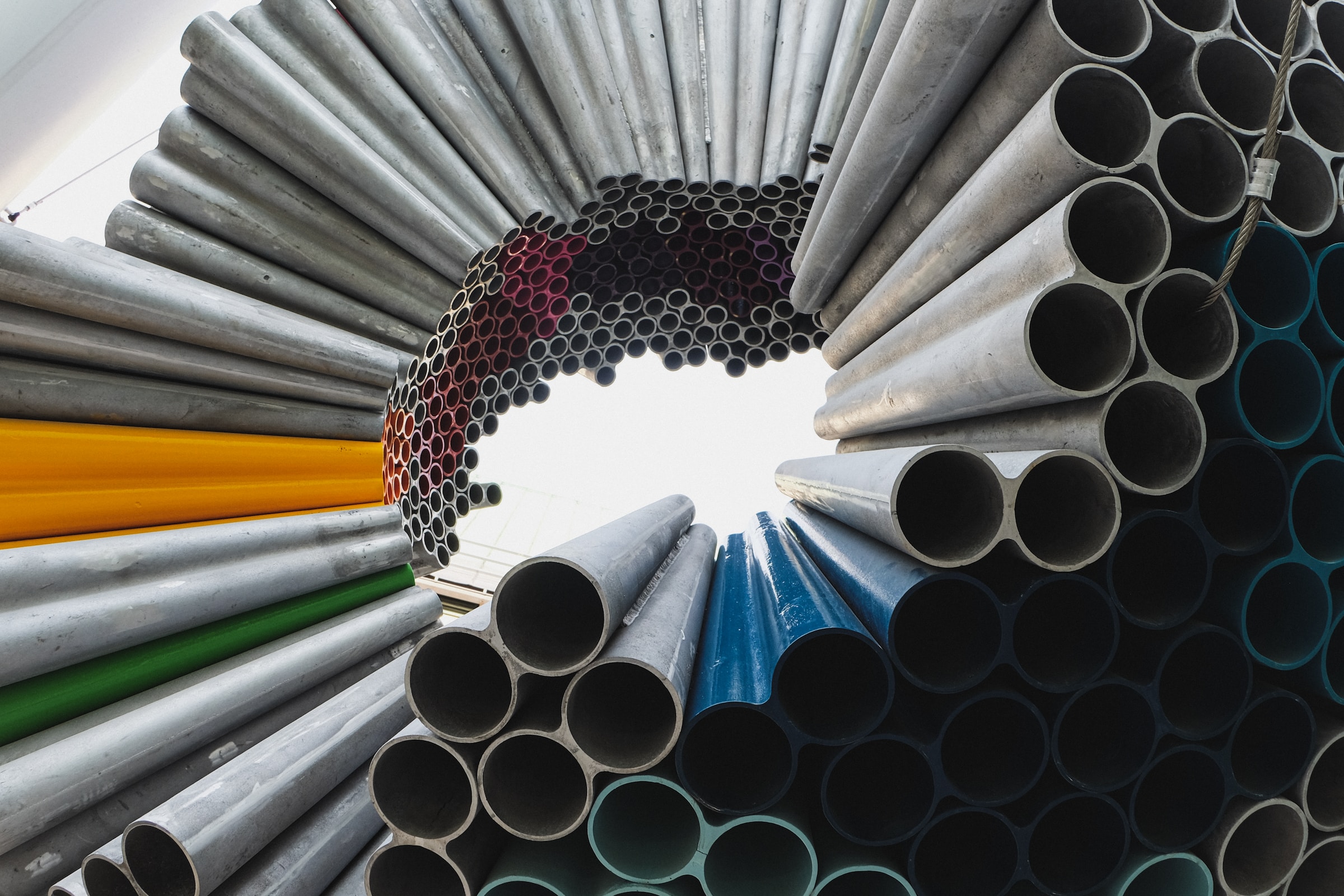
Pipe Service
Pipe services offer numerous advantages in various industries and applications. Some of the key advantages include:
Efficient transportation: Pipes provide a cost-effective and efficient means of transporting liquids, gases, and solids from one location to another. Whether it’s water supply, oil and gas distribution, or sewage disposal, pipes enable the smooth flow of materials with minimal energy loss.
Environmental benefits: Compared to other transportation methods, such as trucks or tankers, pipes have a lower carbon footprint. They help reduce greenhouse gas emissions and air pollution, promoting a more sustainable and environmentally friendly approach to moving resources.
Cost-effectiveness: Once installed, pipelines require relatively low maintenance costs, making them a cost-effective long-term solution for continuous transportation needs. They also have a long lifespan, contributing to lower overall operational expenses.
Safety: Properly installed and maintained pipelines ensure a safe mode of transportation, minimizing the risk of accidents and spills associated with alternative transport methods. This is particularly critical when dealing with hazardous materials or volatile substances.
Consistency and reliability: Pipes provide a consistent and reliable means of transportation, allowing for a steady flow of resources. Unlike trucks or trains that might face traffic or scheduling delays, pipelines can operate 24/7 without interruption.
Scalability: Pipe services can be easily scaled up or down to meet changing demand requirements. Expanding or modifying existing pipelines is often more straightforward and cost-effective than building entirely new infrastructure.
Reduced land usage: Pipes can be buried underground, reducing the need for extensive land usage. This is especially beneficial in urban areas where space is limited, or in environmentally sensitive regions where minimizing surface disturbance is essential.
Water conservation: In water supply systems, pipelines help conserve water by reducing leakage and evaporation during transportation, ensuring a more efficient and sustainable water distribution network.
Versatility: Pipes can transport a wide range of substances, including liquids, gases, and solids. They are used in various industries, such as oil and gas, water supply, chemical processing, mining, and agriculture.
Long-distance transportation: Pipelines enable the transportation of resources over long distances without the need for frequent reloading or transfers, making them ideal for cross-country or cross-border transportation.
Overall, pipe services play a crucial role in modern infrastructure and industrial development, offering a reliable, cost-effective, and environmentally responsible means of transporting essential resources.