
BLOGS - Learn More About Legal Plumbing
Legal plumbing refers to the set of regulations, standards, and codes that govern the design, installation, maintenance, and repair of plumbing systems in a given jurisdiction. These regulations are put in place to ensure the safety, functionality, and efficiency of plumbing systems while protecting public health and the environment. In Ontario, Canada, legal plumbing is regulated by the Ministry of Municipal Affairs and Housing (MMAH) and the Technical Standards and Safety Authority (TSSA). The plumbing regulations in Ontario are primarily governed by the Ontario Building Code (OBC) and the Plumbing Code, which provide standards and guidelines for the construction, installation, and maintenance of plumbing systems.
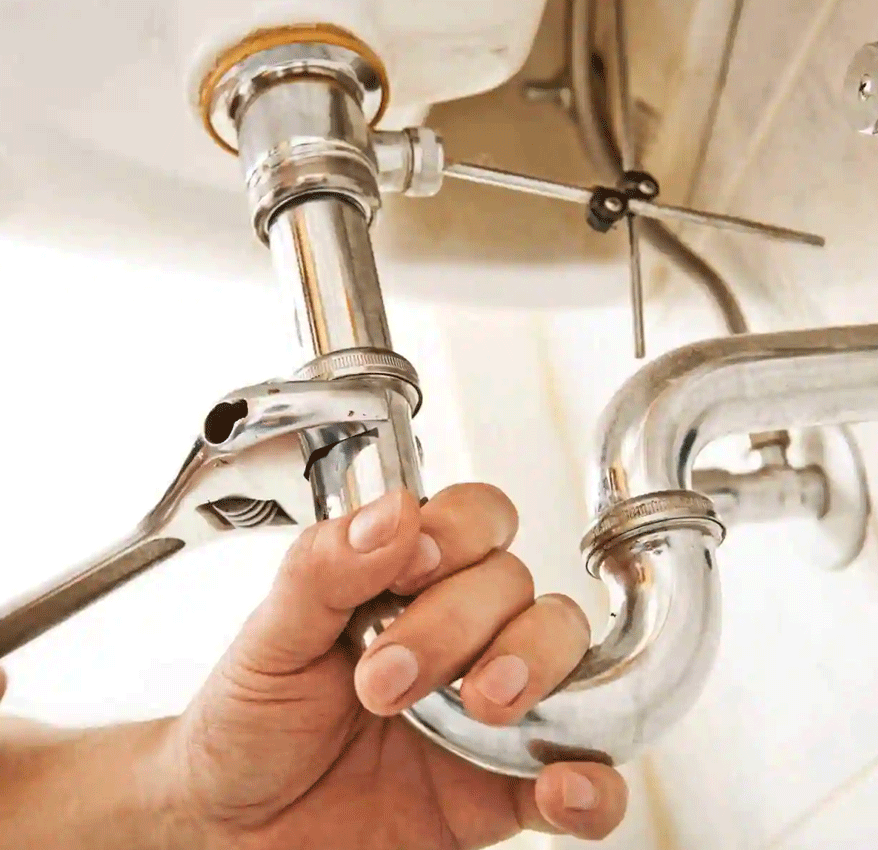
The specific requirements for legal plumbing can vary from one jurisdiction to another, as they are typically established by local or national authorities responsible for building and plumbing codes. These codes often cover aspects such as the types of materials and fittings that can be used, the proper sizing and installation of pipes, the correct placement of fixtures, and the methods for connecting plumbing systems to water supply and drainage networks.
Licensed plumbers are typically required to comply with these regulations and obtain the necessary permits and inspections to ensure that their work meets the legal plumbing standards. By adhering to these guidelines, plumbers help to prevent issues such as water contamination, leaks, and inadequate sanitation.
It is essential to consult the specific plumbing codes and regulations applicable in your area to ensure compliance with legal requirements when designing, installing, or modifying plumbing systems. Local building departments or plumbing authorities can provide detailed information and guidance regarding legal plumbing practices in your jurisdiction.